
Architecture
The Silence of Brutalism.
An exploration into the emotional weight of concrete monoliths and how contemporary designers are softening the edges of the century's most debated movement.
Desire Kouassi
8 min read • Jun 01, 2026
Concrete does not ask to be loved. That was, for much of the twentieth century, precisely the point — brutalism arrived as a rebuke to ornament, a promise that a building could be honest about what it was made of and how it was made, without apologizing for either. Half a century later, the rebuke has aged into something closer to reverence, and a new generation of designers is asking what brutalism actually felt like to stand inside, rather than what it looked like to drive past.
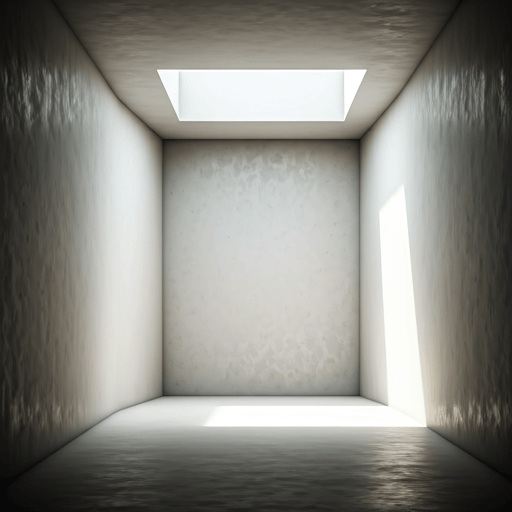
The critics were rarely wrong about the material. Raw concrete is cold, heavy, unforgiving of weather and worse in photographs than in person. What they missed, standing at street level with a camera, was the silence. A brutalist interior — the right one, in the right light — has an acoustic and emotional weight that softer materials can't produce. Sound doesn't decorate the room; it settles into it. So does the visitor.
Contemporary architects softening brutalism's edges aren't rejecting the movement so much as finishing an argument it left half-made. Warm timber against board-formed concrete. A single shaft of daylight where the original plans called for none. The bones stay honest; the skin learns some compassion. It is possible, it turns out, to keep a building's convictions and still let people live comfortably inside them.
A brutalist interior has an acoustic and emotional weight that softer materials can't produce. Sound doesn't decorate the room; it settles into it.
What endures from the movement, stripped of its Cold War anxieties and municipal grimness, is a working principle worth keeping: that a structure's honesty about its own weight can be its own kind of beauty. The monoliths were never meant to be silent monuments. They were meant to hold up, in full view, exactly what it costs to build something that lasts.
Curated thought, delivered weekly.
Join 20,000 readers receiving our curated digest of the most significant architectural and cultural essays.
Keep Reading